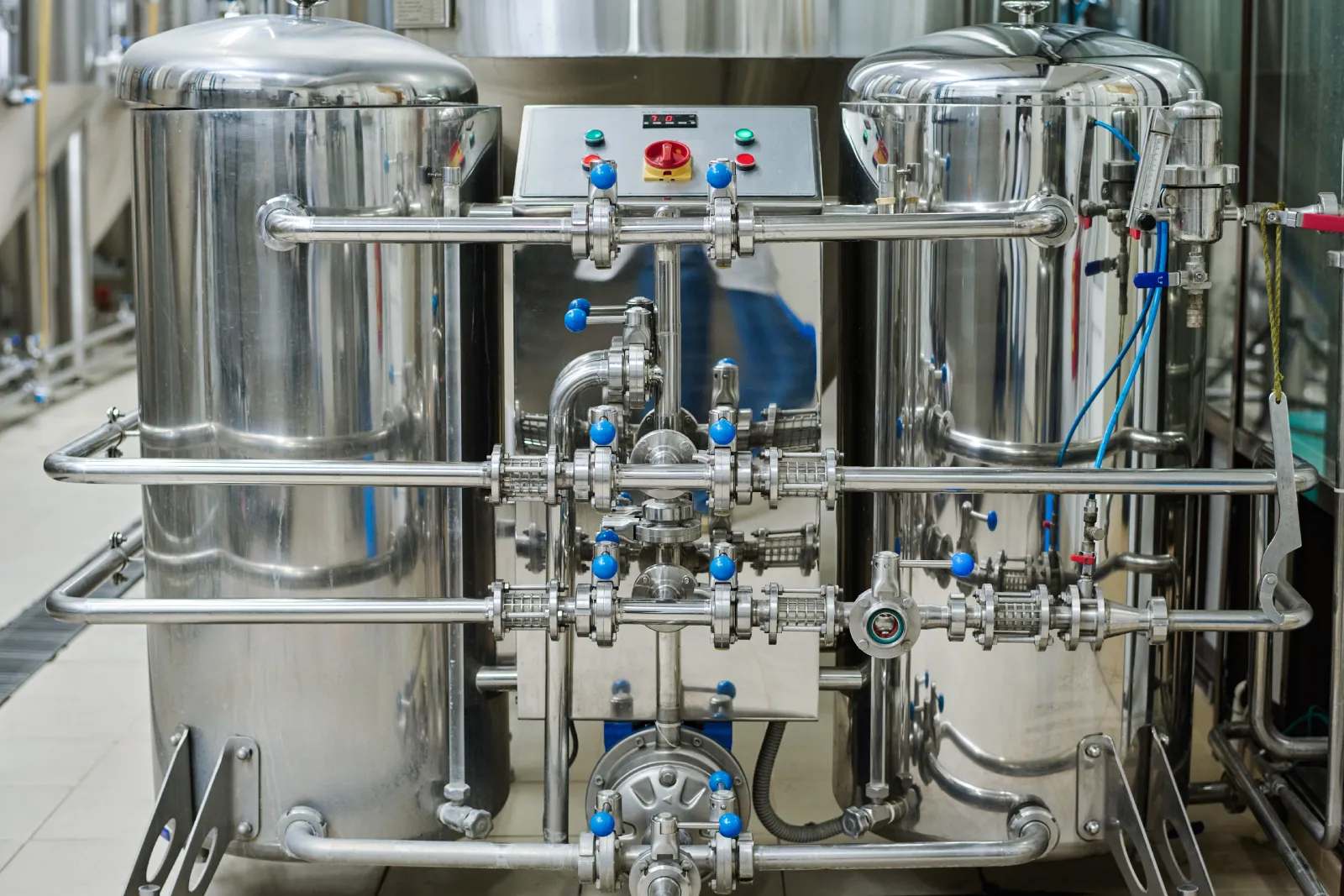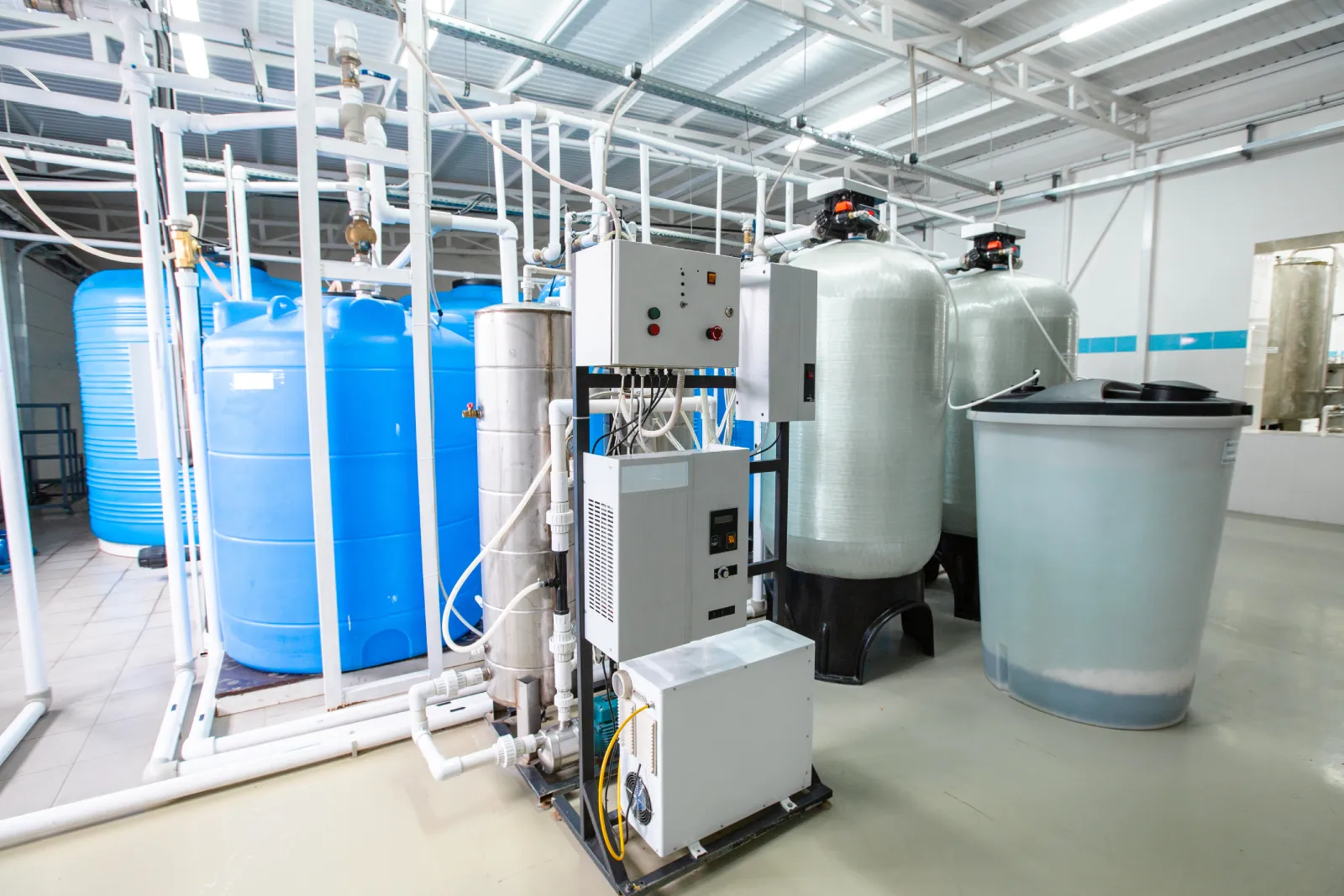
Water treatment systems are often presented as complete filtration and disinfection packages, including ozone treatment, filtration, UV disinfection, and chlorine injection. To support effective decision-making, emphasize that selecting the appropriate process depends on the source water quality, intended use, regulatory requirements, and treatment goals, helping water treatment engineers and system designers feel confident in choosing practical, cost-effective solutions.
For non-potable applications such as toilet flushing and underground irrigation, the objective is not to produce drinking-quality water unless explicitly needed. Instead, the aim is to produce safe, clear, and reliable water that does not pose health risks, generate odors, cause pipe fouling, or clog irrigation systems. In many cases, this can be accomplished through biological treatment, filtration, UV disinfection, and maintaining a low chlorine residual when storage or distribution piping is involved.
Regulatory and Industry Organizations Supporting This Approach
The recommendation to use biological treatment, filtration, UV disinfection, and a chlorine residual is backed by numerous regulatory agencies, standards organizations, and water industry associations, reinforcing confidence in these proven practices and making water treatment professionals feel supported by industry consensus.
Health Canada
Health Canada’s Canadian Guidelines for Domestic Reclaimed Water for Use in Toilet and Urinal Flushing provide the primary Canadian framework for reclaimed water systems. The guidelines emphasize a multiple-barrier approach that includes treatment, filtration, disinfection, monitoring, and risk management. While ozone may be used when appropriate, it is not identified as a mandatory treatment requirement for reclaimed water used in buildings. The model National Plumbing Code and the various provincial codes and guidelines support this.
Ontario Ministry of the Environment, Conservation and Parks (MECP)
The Ontario MECP recognizes Health Canada’s reclaimed water guidelines and supports risk-based treatment approaches for water reuse projects. The Ministry focuses on demonstrated water quality performance, public health protection, and system reliability rather than prescribing ozone treatment as a universal requirement. The Ontario Ministry of Municipal Affairs produces the Ontario Building Code, and this is further supported by Section 7.7 of that regulation.
Canadian Standards Association (CSA)
CSA Standards B128.1 and B128.2 establish requirements for the design, installation, operation, maintenance, and testing of non-potable water systems. These standards focus on system performance, safety, cross-connection control, and water quality management rather than requiring specific disinfection technologies such as ozone. These standards are also codified.
NSF International / ANSI
NSF/ANSI 350 and NSF/ANSI 350-1 are among the most widely recognized certification standards for onsite residential, commercial, and community-scale water reuse systems. Many certified systems utilize combinations of biological treatment, filtration, UV disinfection, and chlorination without ozone. The standards verify water quality performance and public health protection through rigorous testing protocols.
U.S. Environmental Protection Agency (EPA)
The EPA’s Guidelines for Water Reuse identify treatment trains consisting of filtration, biological treatment, UV disinfection, and chlorination as accepted and effective methods for non-potable reuse applications. Ozone is recognized as an optional advanced treatment technology used when specific objectives for oxidation, taste and odor, or contaminant removal exist.
World Health Organization (WHO)
The WHO Guidelines for the Safe Use of Wastewater, Excreta and Greywater support a multi-barrier approach to water reuse. The emphasis is on achieving pathogen-reduction targets and protecting public health rather than mandating any single treatment technology. UV and chlorination are widely accepted methods within these frameworks.
American Water Works Association (AWWA)
AWWA publishes design guidance and operational best practices for potable and reclaimed water systems. AWWA recognizes UV disinfection as an effective pathogen-control technology and chlorine as the primary method for maintaining a disinfectant residual throughout storage and distribution systems. Ozone is recommended where additional oxidation, taste and odor control, or advanced treatment is required. The challenge is that, by scope, the AWWA guidelines are becoming less and less applied inside the buildings as a matter of that Association’s historical scope and representation.
Water Environment Federation (WEF)
WEF design manuals and technical guidance documents frequently recommend treatment trains based on biological treatment, filtration, UV disinfection, and chlorination for water reuse applications. Ozone is typically considered an enhancement technology rather than a standard requirement. Non-potable Water Systems
Engineering Consensus
There is a consensus in the water reuse industry that effective toilet flushing and subsurface irrigation systems should be designed with the following process in mind:
- Source Water Characterization
- Biological Treatment
- Filtration
- UV Disinfection
- Chlorine Residual (if necessary)
- Storage and Distribution
Ozone is generally viewed as an optional enhancement technology. For most projects, a system with filtration, UV disinfection, and chlorine residual offers effective, reliable, and cost-efficient water reuse, alleviating concerns about overcomplicating treatment processes (for most use cases).